
FOUR REMOTE COHORTS OFFERED YEARLY

Public Health Applied Disease Surveillance Training & Practicum

Gain hands-on experience applying epidemiology and public health data skills to applied surveillance projects.

Register your interest
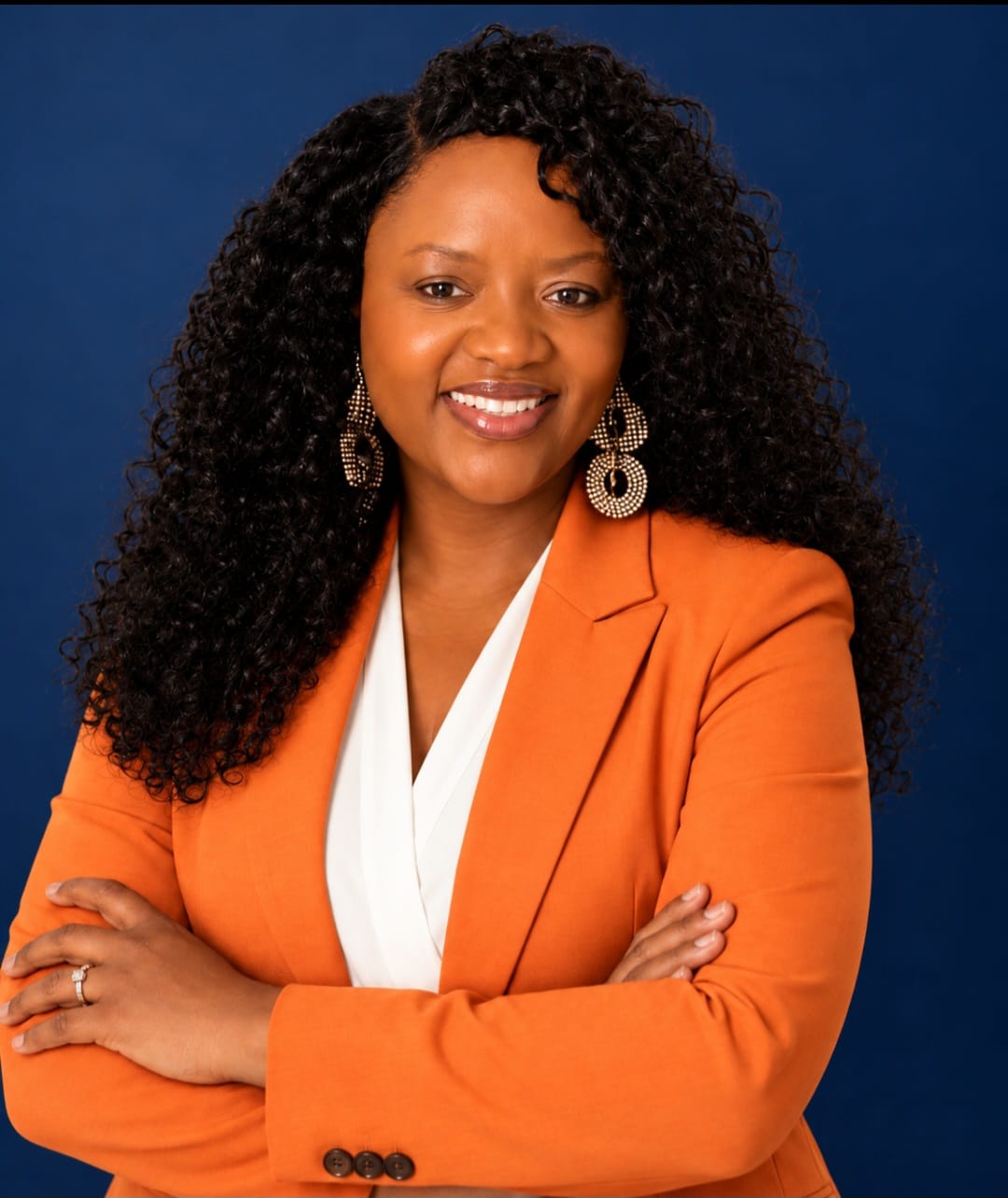
Dr. Justina Omari, founder of Beyond Numbers Research

Annual cohort schedule

Eight-week, fully remote Practicum cohorts offered throughout 2027
Schedule Winter Cohort Spring Cohort Summer Cohort Fall Cohort
Dates Jan 6 – Feb 24, 2027 Mar 31 – May 19, 2027 Jun 23 – Aug 11, 2027 Sep 15 – Nov 3, 2027
Session Upcoming Upcoming Upcoming Upcoming
Registration Select this cohort Select this cohort Select this cohort Select this cohort

About Practicum

The Beyond Numbers Research Applied Disease Surveillance Training & Practicum provides a structured, supervised opportunity for students and recent graduates to apply their public health knowledge to real-world disease surveillance activities.

Participants will work under the direct supervision of Dr. Justina Omari and gain experience across the epidemiologic data process, from assessing and preparing surveillance data to analyzing disease patterns, developing visualizations, interpreting findings, and communicating results for public health audiences.

The experience begins with a guided syphilis surveillance project and progresses to a collaborative disease surveillance project using publicly available CDC data. Depending on project needs, participants may also contribute to activities such as literature reviews and the development of scientific newsletters and other public-facing health communication materials.

At Beyond Numbers Research, we are committed to helping strengthen the future public health workforce by creating opportunities to develop analytical thinking, practical skills, and experience translating data into meaningful public health information.

What You'll Work On

  • Data preparation and quality: Review, clean, organize, and prepare surveillance data for analysis while identifying missing, inconsistent, and potentially problematic information.
  • Descriptive epidemiology: Examine disease patterns by person, place, and time and summarize important demographic and surveillance characteristics.
  • Rates and trends: Calculate and interpret epidemiologic measures including counts, percentages, population-based rates, and percent change.
  • Geographic analysis: Examine county-level patterns and create geographic visualizations to better understand differences in disease burden.
  • Data visualization and dashboards: Translate analytical results into clear tables, charts, maps, summary indicators, and disease surveillance dashboards.
  • Interpretation and data storytelling: Identify meaningful findings, recognize limitations, develop public health implications, and communicate results to a professional audience.

Projects

Project 1: Syphilis Surveillance

Complete a structured, guided project that builds skills in data quality, preparation, descriptive epidemiology, rates, trends, geographic analysis, visualization, dashboard development, and interpretation before transitioning to independent surveillance work.

Project 2: CDC Collaborative Disease Surveillance

Work in a small group with publicly available CDC NCHHSTP AtlasPlus and population data. Develop epidemiologic questions, examine temporal, geographic, and demographic patterns, and present the work from analysis through interpretation.

Who should apply?

  • Students enrolled in a related graduate public health program
  • Current MPH students seeking an applied practicum or hands-on public health experience
  • Recent public health graduates who want to strengthen their practical data and epidemiology experience
  • Individuals interested in epidemiology, disease surveillance, or public health data analysis
  • Students from any public health concentration who want to strengthen their analytical skills

Note: An epidemiology concentration and statistical programming experience are not required.

Academic credit: Students seeking practicum or Applied Practice Experience (APE) credit should confirm requirements with their university and obtain approval from their academic program.

Requirements to participate

Participants should be prepared :

  • to commit approximately 6–12 hours per week for 8 weeks
  • attend weekly virtual meetings
  • complete independent and group project work
  • contribute to a final presentation

Required tools:

  • Microsoft Excel
  • Microsoft PowerPoint
  • Reliable internet access

The practicum uses publicly available CDC surveillance and population data resources.

How the program works

The Beyond Numbers Research Applied Disease Surveillance Practicum is a 100% remote, 8-week supervised experience that gives MPH students and recent public health graduates a chance to apply their skills to structured public health surveillance projects.

Selected candidates meet virtually every week for project guidance, instruction, feedback, and supervision. Independent and group project work is completed between meetings, with participants committing approximately 6–12 hours per week, depending on practicum requirements.

The experience progresses from a guided syphilis surveillance project to a group project using publicly available CDC data, culminating in a final disease surveillance presentation.

A one-time $150 participation fee helps cover the administrative and operational costs required to coordinate and sustain the program, including program resources, technology, practicum documentation, and platform costs. No payment is required to submit the registration form.

Seeking Practicum or APE credit?

If you are enrolled in an MPH or related graduate public health program and seeking an applied experience to fulfill a practicum, Applied Practice Experience (APE), or similar academic requirement, the BNR Applied Disease Surveillance Practicum may be used toward your program requirements with approval from your university.

BNR can work with students and their academic programs to provide information commonly required for practicum approval, including learning objectives, project descriptions, supervision details, expected work products, and applicable evaluations or documentation.

Students are responsible for confirming their university's practicum requirements and obtaining approval from their academic program before the practicum begins. The university determines whether this experience qualifies for academic credit or satisfies its practicum/APE requirements.

Practicum REGISTRATION

Tell us about yourself

Complete the form below to register your interest. Fields marked with * are required.

Registration is for an upcoming cohort only. Cohorts that have already started are closed to new registrations.

Running or completed cohorts cannot be selected.
What is 2 + 6?

Please do hesitiate to contact us if you have any questions